Strength Training After 50: Where to Start
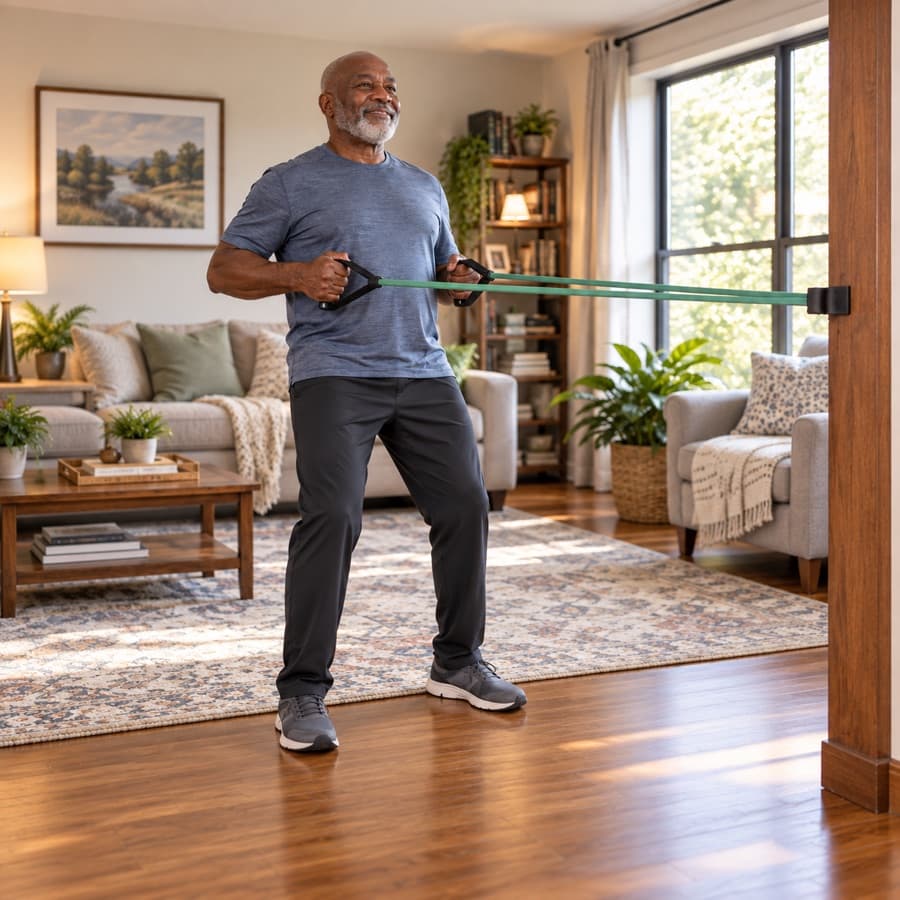
What counts as strength training, how often guidelines advise it, and a comfortable way to begin at home with a sturdy chair.

Find a useful place to begin, then follow the questions that matter to you.
A place to start
Guidelines advise adults to aim for at least 150 minutes of moderate activity a week (or 75 minutes of vigorous activity), plus muscle-strengthening on 2 or more days. Adults 65 and over are also advised to include balance work. Some activity is better than none, and any amount counts toward the week.
Read the guide and its evidenceWhat counts as strength training, how often guidelines advise it, and a comfortable way to begin at home with a sturdy chair.
Researchers use grip strength as one signal, among several, when studying healthy aging in large groups of older adults. What the research actually found, what it does not mean, and how to keep your hands and forearms strong.
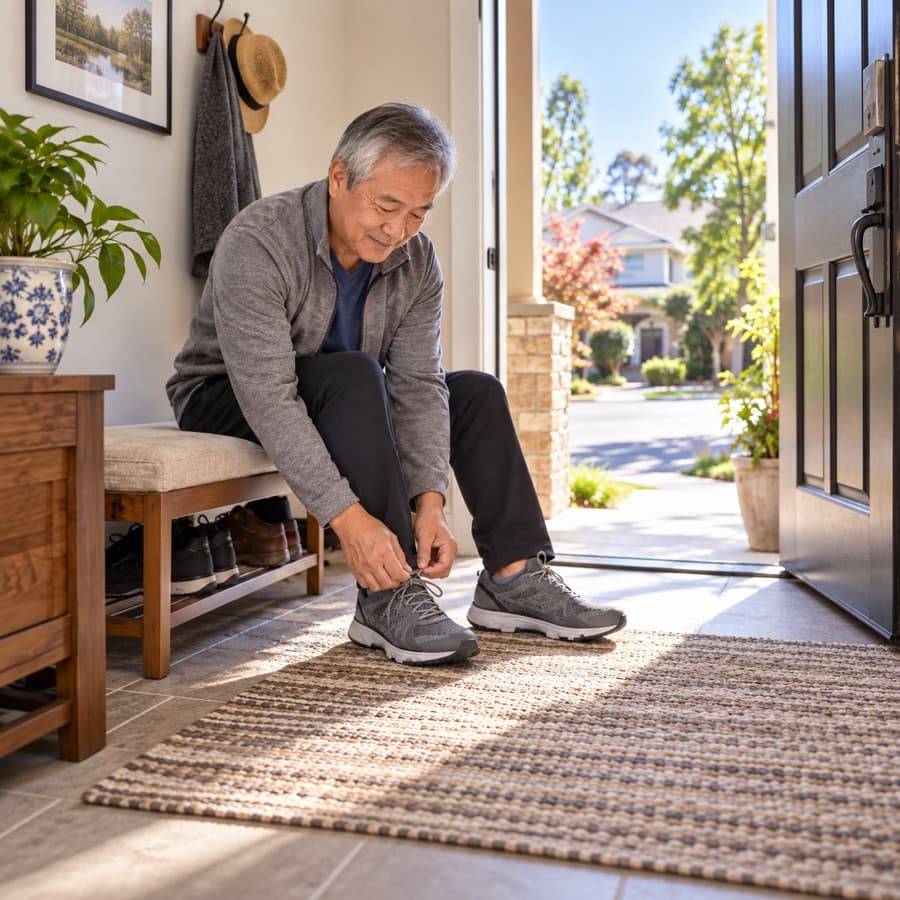
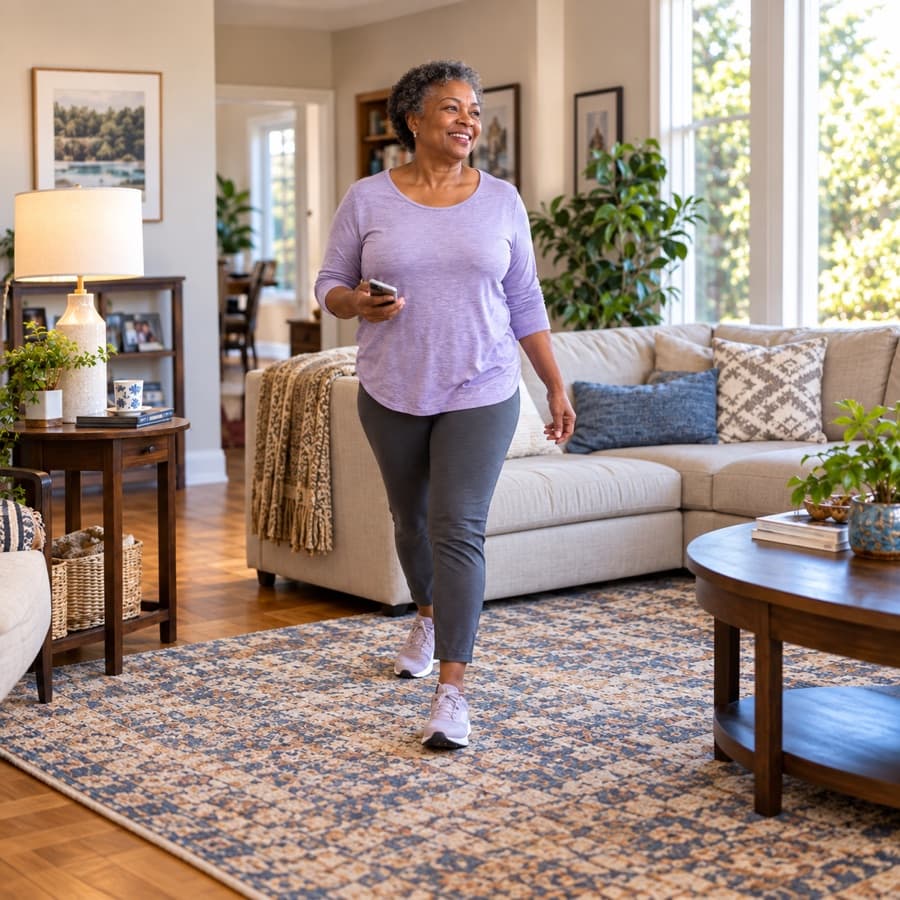
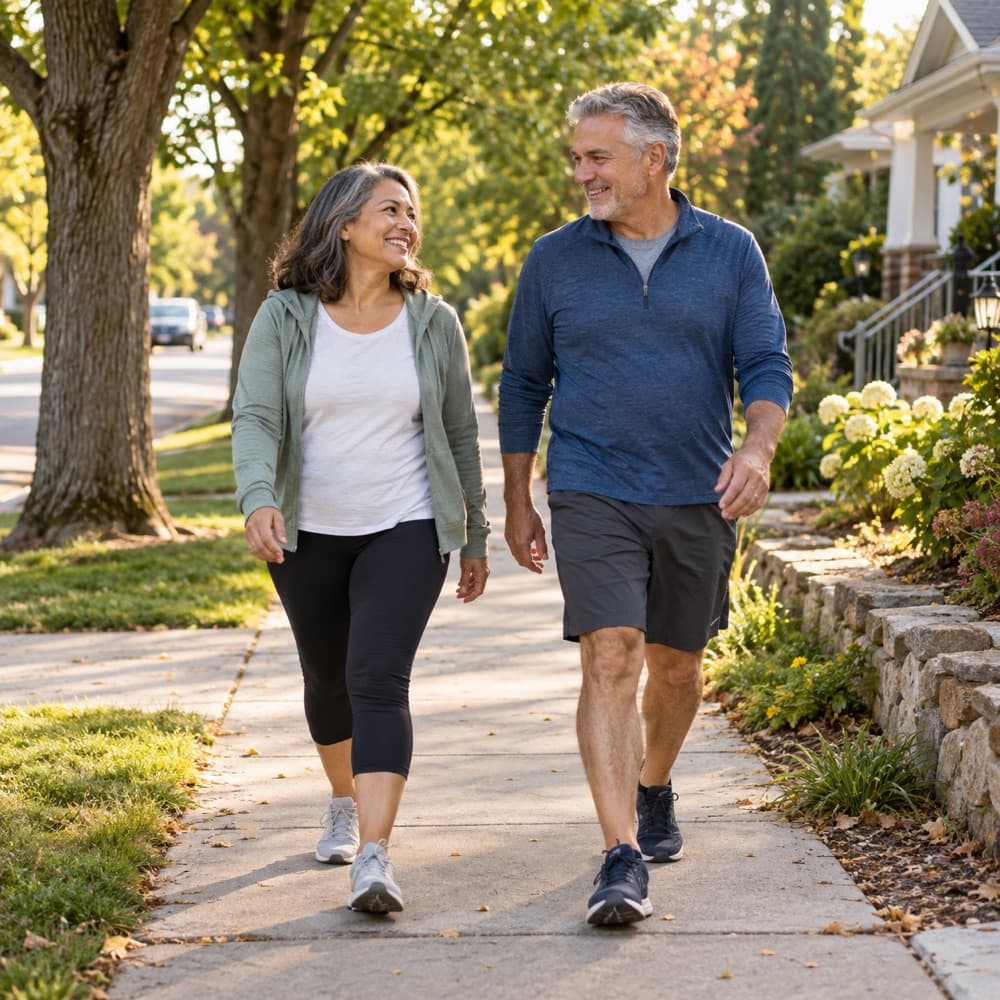
Why a walk counts, how to start with ten comfortable minutes, how to build up, and what to do on days you would rather stay in.
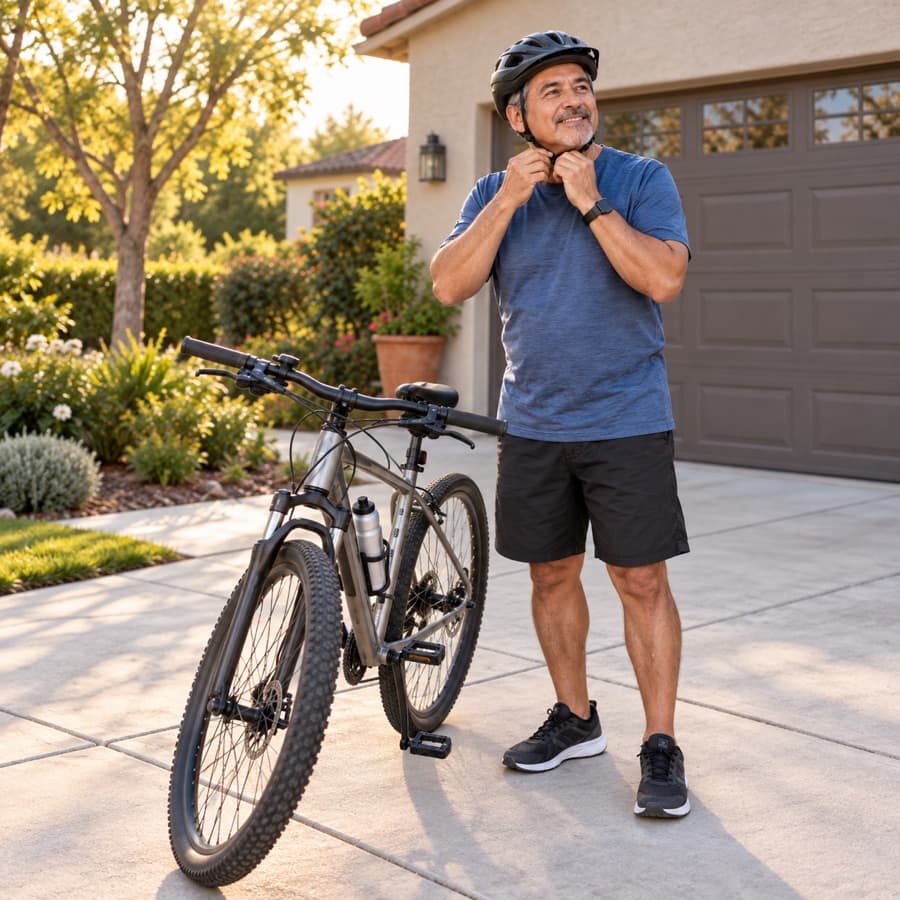
What the U.S. Physical Activity Guidelines say about doing activity safely, how to start low and go slow, how to judge your effort, and when to ask a clinician first.
In a pooled analysis of 15 studies, more steps a day went with a lower risk of dying from any cause, with the gain levelling off around 6,000 to 8,000 steps for adults 60 and over. What that means, what it does not, and a gentle way to move up.
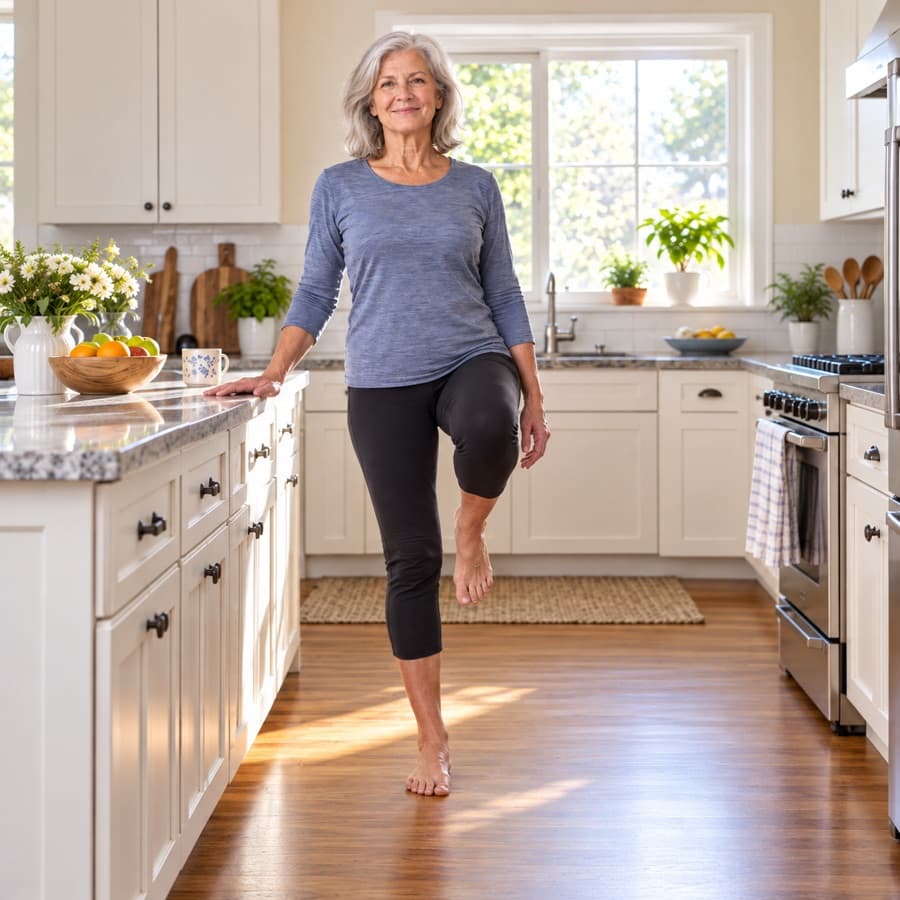
Why guidelines for older adults include balance training, how to practice near a sturdy counter, and when to ask a clinician first.
What the U.S. guidelines say about activity and falls in older adults, what multicomponent activity means, what the evidence does not say, and where to start.
What the U.S. guidelines say about stretching, why they are careful about its benefits, how to warm up, stretch to mild tension and stop at pain, and when to ask a clinician first.
13 more published guides to explore.
What counts as strength training, how often guidelines advise it, and a comfortable way to begin at home with a sturdy chair.
Why guidelines for older adults include balance training, how to practice near a sturdy counter, and when to ask a clinician first.
Why a walk counts, how to start with ten comfortable minutes, how to build up, and what to do on days you would rather stay in.
What CDC says you can do to stay independent, three checks you can do at home with their limits, and small steps for leg strength, balance, and home safety.
What the U.S. Physical Activity Guidelines say about doing activity safely, how to start low and go slow, how to judge your effort, and when to ask a clinician first.
What the U.S. guidelines say about activity and falls in older adults, what multicomponent activity means, what the evidence does not say, and where to start.
General education, not personal medical advice. Each guide explains its evidence and limitations.